Broadwalk Shopping Centre man with van guide for shop moves
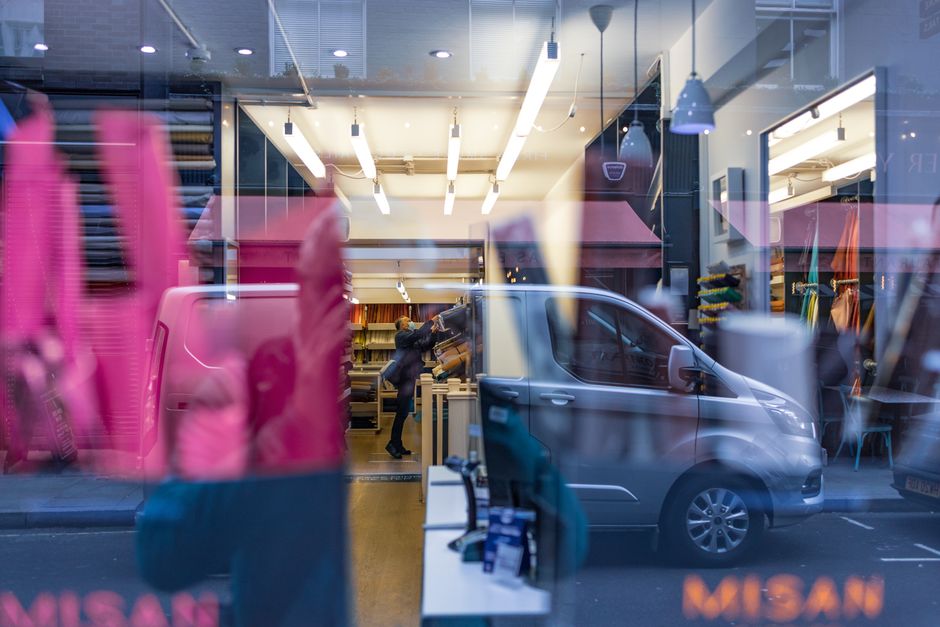
If you are planning a shop move at Broadwalk Shopping Centre, the details can pile up fast. Stock has to be packed properly, access needs checking, trading hours matter, and the last thing you want is a van turning up without enough space or the right care for fragile items. This Broadwalk Shopping Centre man with van guide for shop moves is designed to make that process calmer, clearer, and a lot more manageable.
Whether you are relocating a small kiosk, refreshing a boutique, or shifting fixtures and stock between units, the right approach saves time and protects your business. It also helps you avoid the awkward stuff: blocked walkways, damaged goods, missed slots, and the all-too-common "we thought it would fit" moment. Let's face it, retail moves rarely go exactly to plan unless someone has thought ahead.
In this guide, you will find a practical breakdown of how a man and van service can support a shop move at Broadwalk Shopping Centre, what to prepare, what to avoid, and how to choose the right service for the job. You will also see where related services such as commercial moves, removal services, and packing and boxes can fit into the wider moving plan.
Why Broadwalk Shopping Centre man with van guide for shop moves Matters
Shop moves are not the same as house moves. A retail space has trading pressures, delivery windows, shared access points, and a constant need to keep customers and neighbours in mind. At a shopping centre, those pressures are even sharper because there may be lift access rules, service corridors, parking restrictions, and time limits on loading. A good move plan keeps all of that under control.
The value of a man with van setup is flexibility. For many shop moves, you do not need a huge removal lorry. You need a vehicle that can fit into tighter access points, move efficiently, and handle repeated trips if necessary. You also need someone who understands how to load trade stock, display units, and fragile shop fittings without making a mess of them. Sounds simple. It never quite is.
Broadwalk Shopping Centre shop owners often face short turnaround times. A unit may need to be cleared, cleaned, restocked, or re-fitted quickly. A smaller, responsive vehicle can be the difference between a move that feels controlled and one that drags on all day with everyone getting more stressed by the hour. If you are also comparing service styles, it can help to look at man and van, man with a van, and man with van options side by side.
Expert takeaway: For a shopping-centre shop move, the best service is usually the one that balances access, speed, protection, and clear coordination rather than simply the biggest vehicle available.
How Broadwalk Shopping Centre man with van guide for shop moves Works
In practical terms, a man with van shop move usually starts with a walk-through or a detailed list of what needs moving. That list matters more than people think. Retail stock, shelving, point-of-sale equipment, mirrors, stockroom boxes, mannequins, signage, and spare packaging all have different handling needs.
Once the load is understood, the right vehicle size is chosen. For small shop moves, a van is often enough. For larger retail relocations, a moving truck or even a broader removal truck hire solution may be more suitable. The point is not to overcomplicate it; the point is to match the transport to the job.
On the day, the crew will usually:
- arrive at the agreed access point and confirm the load plan
- protect items that could scratch, tip, or break
- load heavier goods first and secure everything properly
- move items in the most practical order for the receiving site
- unload carefully, often inside tight commercial spaces
For shop owners, the key is coordination. The van service can do the heavy lifting, but you still need clear information on what is moving, where it is going, and what must be kept accessible during the transition. If packing support would help, you may also want to consider packing and unpacking services.
One small but important note: shopping centre moves often run better when stock is grouped by priority. Fast-moving items go first, fragile display items go last, and anything non-essential can be held back if the schedule becomes tight. That little bit of order saves a lot of head scratching later.
Key Benefits and Practical Advantages
A well-planned man with van shop move offers several practical advantages. The first is control. You are not trying to force a large, awkward moving operation into a retail setting that was never designed for chaos. Instead, you can work around access times, trading patterns, and unit constraints.
The second is cost efficiency. For smaller retail moves, paying for a full-scale removal operation may be unnecessary. A van-based service can be more economical, especially if the load is compact and the route is straightforward. If you want to compare prices properly, it is worth reviewing pricing and quotes alongside the specifics of your move.
The third is speed. In retail, time off the shop floor can mean lost sales. A focused, well-organised move can reduce downtime and help you reopen sooner. That matters whether you are moving across Broadwalk Shopping Centre or shifting stock between nearby storage and a unit.
Other benefits include:
- better handling for small-to-medium retail loads
- easier navigation in confined service areas
- less disruption than a bigger, more complex removals setup
- more flexible timing for early morning or off-peak moves
- simpler communication, which is often underrated
If your shop move includes old fittings you no longer need, it can also be useful to plan disposal separately. Pages such as furniture removals, furniture pick up, and recycling and sustainability may help shape that part of the job.
Who This Is For and When It Makes Sense
This guide is for anyone managing a retail move where practicality matters more than grandeur. That includes small independent shops, kiosks, pop-up retailers, service counters, and units that need to move stock or furnishings without disrupting the whole centre.
It also makes sense for businesses that:
- have a small or medium load that does not justify a full removal lorry
- need a flexible, responsive moving team
- are working to a tight timetable
- must keep costs under control
- need careful handling for stock, display pieces, or branded fixtures
For shops moving larger quantities of stock or equipment, a broader service may be more suitable. In those cases, explore removals, removal companies, or even office relocation services if your retail operation includes back-office functions, storage, or admin equipment.
Truth be told, the right option depends less on the label and more on the load. A tiny boutique with fragile stock behaves very differently from a store moving shelving, till systems, and bulk packaging. One is about precision; the other is about logistics with a bit of muscle.
Step-by-Step Guidance
Here is a practical process you can follow for a smooth shop move at Broadwalk Shopping Centre.
- List everything that is moving. Separate stock, fixtures, packaging, signage, and equipment. Be honest about the quantity. Underestimating is a classic trap.
- Check access constraints. Confirm lift access, loading points, parking, time windows, and any centre-specific rules. Even a short delay here can unravel the rest of the day.
- Decide what stays and what goes. If you have broken shelves, old display pieces, or surplus stock, sort them now. It is far easier than dealing with them during the move.
- Prepare packing materials. Use sturdy boxes, tape, labels, wrapping, and internal dividers where needed. For a better start, see packing and boxes.
- Label by destination and priority. Use simple labels like "front display", "stockroom", "fragile", and "open first".
- Protect valuable items. Wrap glass, secure drawers, and remove loose parts from stands or counters.
- Book the right vehicle. Match the van size to the load. If in doubt, ask for guidance rather than guessing.
- Load in a sensible order. Heavier, sturdier items go in first. Fragile items should be separated and secured.
- Unpack in business order. Get essential trading items in place first, then work through display and back-stock areas.
- Check the final setup. Look for damage, missing items, and anything that needs adjusting before you sign off the move.
If you need to move urgently, there may be situations where same day removals are the only realistic option. Those jobs need even tighter planning, but they can be a real lifesaver when a deadline shifts unexpectedly.
Expert Tips for Better Results
The best shop moves usually feel boring in the best possible way. No drama, no panic, no half-finished packing at 6:45 in the morning. A few small habits make that more likely.
Start with the stockroom, not the window display. The pretty stuff can wait. The essential inventory, packaging, and core equipment should be the first priority because they keep the business functioning.
Use colour coding if you can. It sounds almost too simple, but colour-coded labels speed up unloading and reduce mistakes. One colour for stock, one for fixtures, one for fragile items. Easy.
Measure awkward items before move day. Anything tall, wide, or unusually shaped needs checking against lifts, doorways, and van access. You do not want to discover a problem while holding a shelving unit in a corridor.
Keep essentials with you. Business documents, keys, till floats, chargers, and critical admin items should travel separately if possible. That avoids the classic "where did the card reader go?" moment.
Think about where items are going after unloading. A move is not complete when the van door opens. It is complete when the shop can function again. That means the receiving layout matters just as much as the loading plan.
For larger or mixed-use businesses, it can help to use removal van support rather than assuming a standard vehicle will do the trick. If the shop move includes a business archive, seasonal stock, or overflow goods, you may also find storage useful as a buffer between locations.
And a small human point: keep a bottle of water handy. Move days are dry, noisy, and oddly tiring. Nobody needs to be the person wobbling on an empty stomach halfway through a retail relocation.
Common Mistakes to Avoid
Most problems in shop moves come from assumptions. We all do it. We assume the van will fit, the boxes will be fine, the lift will be free, or the unit team already knows the schedule. Then the day arrives and, well, reality is less polite.
Here are the mistakes that cause the most trouble:
- Not checking access in advance. A shopping-centre move can fail on logistics long before anything is loaded.
- Packing fragile stock with heavy items. It saves time now and costs more later.
- Leaving labels too vague. "Shop stuff" is not a useful label. Neither is "misc".
- Booking too small a vehicle. This usually means extra trips, more labour, and more stress.
- Forgetting about turnaround time. A retail move is about reopening, not just relocating.
- Ignoring disposal needs. Old fixtures and unwanted items can slow everything down if they are not handled separately.
Another issue is overfilling boxes. It is tempting when you want fewer trips, but heavy boxes break, tear, or become awkward to lift. That is how damage happens. If a box feels like it contains a small planet, it probably needs repacking.
Tools, Resources and Recommendations
You do not need a warehouse full of gear to move a shop well, but the right basics make a difference.
- Strong boxes: for stock, paperwork, and smaller fixtures
- Bubble wrap or paper wrap: for glass, ceramics, and delicate display pieces
- Packing tape and dispenser: faster, neater sealing
- Labels and marker pens: for sorting by zone and urgency
- Blankets or wraps: for counters, shelving, and larger retail items
- Measuring tape: essential for awkward items and access checks
- Basic toolkit: for dismantling and reassembling simple fixtures
When you are choosing support, it helps to look beyond the headline service name. A reliable provider should be able to explain vehicle suitability, packing expectations, and how they handle commercial loads. Pages like removal services, man with a van, and commercial moves can give you a better sense of the broader service mix available.
If you need to move stock and fittings separately, consider staggering the work over two phases. That sounds a bit less glamorous, sure, but it often reduces risk. Phase one clears the non-essentials. Phase two moves the trading-critical items. Simple, and surprisingly effective.
Law, Compliance, Standards, or Best Practice
Shop moves in shopping centres are not usually about complex legal problems, but they do involve real-world responsibilities. You should make sure the move aligns with site rules, landlord or centre management instructions, and general health and safety expectations. If a site has loading restrictions or time windows, treat them as non-negotiable rather than optional.
Good practice also means checking that the moving service has sensible insurance and safety arrangements in place. That is especially relevant where goods are valuable, fragile, or custom-made. It is worth asking questions up front, not after a scratch appears on a display cabinet.
Traffic, manual handling, and safe loading all matter too. A moving team should load and unload in a way that reduces risk to staff, customers, and the public. In a shopping-centre environment, tidy work matters because shared spaces can get busy very quickly. One careless trolley movement, and everyone notices.
For peace of mind, review insurance and safety and health and safety policy details before booking. If you are handling payments digitally or making an advance booking, payment and security is also worth checking so there are no surprises later.
Best practice in this kind of move is fairly straightforward: plan properly, pack carefully, communicate clearly, and keep the load as controlled as possible. That's the whole game, really.
Options, Methods, or Comparison Table
Different shop moves call for different transport choices. The table below gives a simple comparison to help you judge what suits your situation best.
| Option | Best for | Strengths | Watch-outs |
|---|---|---|---|
| Man with van | Small to medium shop moves, stock transfers, compact loads | Flexible, cost-conscious, easier access in tighter areas | May need more than one trip for larger loads |
| Removal van | Retail fixtures, mixed stock, slightly larger jobs | More space while staying practical for commercial access | Needs accurate load planning |
| Moving truck | Larger refits, bulk stock, bigger equipment | Higher capacity, fewer trips | Can be harder to manoeuvre in restricted access areas |
| Full removal service | Complex business relocations | Broader support, suitable for larger transitions | May be more than you need for a small retail move |
If your move sits somewhere in the middle, that is normal. A lot of shop moves do. In those cases, a hybrid approach can work well: a van for the accessible, urgent items and a second service for heavier fixtures or stored goods. It's not elegant, but it is practical. And practical wins.
Case Study or Real-World Example
Imagine a small fashion retailer inside Broadwalk Shopping Centre preparing to shift into a nearby unit with a better layout. The business has rails, folded stock, mirrors, shelving, storage boxes, and a till system. Nothing massive, but enough to cause trouble if it is all left to the last minute.
The team starts by separating stock into three groups: display stock, back-room inventory, and non-essential seasonal items. Fragile mirrors and branded signage are wrapped separately. The shop manager checks access times with centre staff and decides to move early in the morning before the customer flow picks up.
A man with van arrangement is booked because the load is manageable and the access is tight. The first run carries the most important fixtures and the tills. The second run handles the remaining boxes and folded stock. The old unit is cleared without blocking the corridor, and the new shop starts taking shape before lunchtime. Not perfect. But smooth enough that the staff can keep their heads, which matters more than people admit.
That kind of move works because it respects the space, the schedule, and the limits of the load. It is organised, but not over-engineered. Exactly the balance most retailers want.
Practical Checklist
Use this checklist in the days before your shop move. It helps more than you think.
- Confirm the move date and access times
- Check lift, parking, and loading arrangements
- List every item that needs to move
- Separate stock, fixtures, and waste
- Gather boxes, wrap, tape, and labels
- Mark fragile and priority items clearly
- Measure bulky or awkward pieces
- Keep essential business items to one side
- Decide whether storage is needed between locations
- Confirm insurance and safety arrangements
- Review pricing and quote details carefully
- Have a post-move setup plan for trading essentials
One more thing: give yourself a bit of breathing room. Retail moves often take longer than the optimistic version in your head. A small buffer in the schedule can be the difference between a steady day and a scrappy one.
Get a free quote today and see how much you can save.
Conclusion
A Broadwalk Shopping Centre shop move does not need to become a drawn-out, stressful project. With the right planning, a suitable vehicle, and clear communication, a man with van service can handle a surprising amount of retail work efficiently and carefully. For many shop owners, that balance is exactly what keeps downtime low and the move under control.
The main idea is simple: match the service to the load, prepare properly, and keep the schedule realistic. Do that, and the move becomes far more manageable. Maybe even almost calm. Almost.
If your shop is growing, changing layout, or shifting to a better unit, treat the move as part of the business, not an interruption to it. The smoother the relocation, the sooner you are back to welcoming customers and getting on with the day.
Frequently Asked Questions
What is a man with van service for shop moves?
It is a flexible moving service that uses a suitable van and professional help to move shop stock, fixtures, and equipment. It is often a good fit for smaller commercial relocations.
Is a man with van suitable for a Broadwalk Shopping Centre shop move?
Yes, if the load is moderate and access is straightforward enough for a van. Many shop moves at shopping centres work well with this setup because it is practical and easier to manage in tighter spaces.
How do I know whether I need a van or a larger removal vehicle?
Look at the quantity, weight, and shape of the items. If you have bulk stock, heavy fixtures, or multiple large units, a larger vehicle such as a removal van or moving truck may be more suitable.
Can a man with van service move shop fittings as well as stock?
Usually, yes. Shop fittings like shelving, display units, and counters can often be moved as long as they are prepared properly and the vehicle size is suitable.
What should I pack first during a shop move?
Start with non-essential items and clearly separate fragile stock from heavier goods. Essential trading items should be kept accessible so the new unit can be set up quickly.
How do I avoid damage during a retail move?
Use proper packing materials, label items clearly, and secure everything in the vehicle. Fragile items should never be left loose or mixed with heavy stock.
Do I need storage during a shop move?
You might. Storage is helpful if your new unit is not ready, if the move is phased, or if you are keeping surplus stock between locations.
How much notice should I give before booking?
As much as possible, especially if your move needs a specific access window or must happen outside trading hours. Short-notice moves can work, but they are easier when planned carefully.
What if I need to move on the same day?
Same-day support can sometimes help, but availability is limited and the job needs to be organised quickly. Have your item list and access details ready if time is tight.
Should I book packing help as well as transport?
If your shop has fragile stock, mixed items, or lots of small components, packing help can save time and reduce risk. It is especially useful when staff are already busy with trading tasks.
What compliance checks matter most for a shop move?
The main ones are site access rules, health and safety arrangements, insurance, and any instructions from the shopping centre or landlord. A safe, well-coordinated move is always the better move.
Can I combine a shop move with old furniture removal?
Yes. If you are replacing shelving, counters, or unwanted fittings, combining the move with furniture removals or furniture pick up can make the whole project cleaner and more efficient.
For a smoother start, it also helps to review about us, terms and conditions, and contact us so you know what to expect before booking. Small details like that can save a lot of back-and-forth later.
And if the move is just one part of a bigger retail change, that is fine too. Take it one stage at a time. The shop will get there, and so will you.